

Every night, thousands of stars sparkle in the sky above us. Some shine brightly, some twinkle softly, and some are so far away that they look tiny like glitter. But stars are much more than beautiful lights in the darkness. They are gigantic balls of hot glowing gas with fascinating lives that can last for billions of years!
Just like humans, animals, and plants, stars also go through different stages of life. They are born, they grow, they change over time, and eventually they die. Some stars end peacefully, while others explode in spectacular cosmic blasts that can light up space!
Let’s explore the amazing life cycle of a star and discover how these giant space objects shape our universe.
What Exactly Is a Star?
A star is a huge glowing ball made mostly of hydrogen and helium gases. Deep inside a star’s center, called the core, temperatures are so hot that atoms smash together and create energy. This process is called nuclear fusion.
Fusion produces:
Light, Heat,Energy
Without stars, the universe would be dark and cold.
Our own Sun is a star — and it gives Earth the warmth and light needed for life.
A Star Is Born
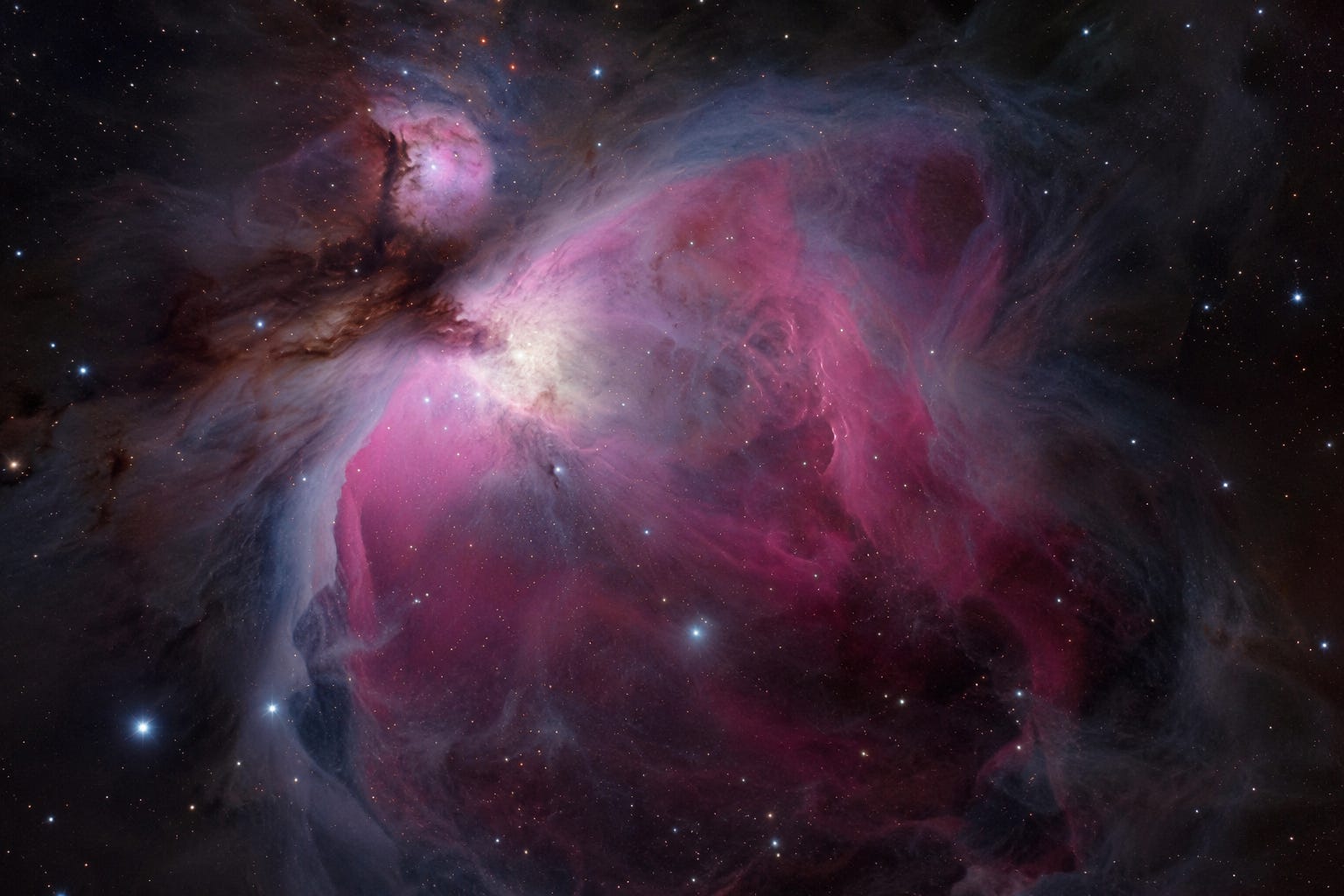
Every star begins its life inside a giant cloud of gas and dust floating in space. These clouds are called nebulas (or nebulae).
Nebulas are often colorful and beautiful. Some are so huge that they stretch across millions of kilometers!
Inside the nebula:
Gravity slowly pulls gas and dust together
The clump becomes denser and hotter
More material gathers around the center
Over millions of years, the center grows extremely hot. Eventually, it becomes hot enough for nuclear fusion to begin.
At that moment, a brand-new star is born!
This baby stage is called a protostar.
Protostars are still growing and collecting material from the surrounding nebula.
The Main Sequence Star
After enough energy is produced, the star enters the longest stage of its life known as the main sequence stage.
This is the “adult” stage of a star.
During this time:
Hydrogen turns into helium in the core
The star shines steadily
Energy pushes outward while gravity pulls inward
The two forces stay balanced
This balance keeps the star stable for millions or even billions of years.
Our Sun has been a main sequence star for about 4.6 billion years and will continue this stage for another 5 billion years!
Stars Come in Different Colors
Did you know stars are not all the same color?
The color of a star depends on its temperature.
Red Stars
Cooler stars, Often smaller, Shine less brightly
Yellow Stars
Medium temperature, Our Sun is yellow
White Stars
Hotter than yellow stars
Blue Stars
Extremely hot, Very bright, Usually much larger
Blue stars burn fuel very quickly, so they do not live as long as smaller stars.
A Star Begins to Age
Eventually, stars start running out of hydrogen fuel.
When this happens:
Fusion slows down
The core shrinks
The outer layers expand
The star becomes much larger and enters a new stage.
What happens next depends on the star’s size.
Supernova Explosion
The giant star suddenly collapses under its own gravity.
Then — BOOM!
The star explodes in a massive supernova.
A supernova can:
Shine brighter than entire galaxies
Release enormous energy
Spread elements across space
The gold in jewelry, the calcium in bones, and the iron in blood were all created inside stars and spread through supernovas long ago.
That means parts of YOU were once inside exploding stars!
What Happens After a Supernova?
After the explosion, the core remains behind.
Depending on the size of the star, it becomes either:
Neutron Star
A neutron star is:
Extremely tiny
Super dense
Made mostly of neutrons
Just one spoonful of neutron star material would weigh billions of tons on Earth!
Some neutron stars spin rapidly and send beams of light into space. These are called pulsars.
Black Hole
If the star is extremely massive, gravity crushes the core into a black hole.
A black hole has gravity so powerful that:
Nothing can escape
Not even light!
Scientists cannot see black holes directly, but they can detect how black holes affect nearby stars and gas.
Amazing Star Facts
⭐ The Sun contains about 99.8% of all the mass in our solar system
⭐ Some stars are larger than Earth’s orbit around the Sun
⭐ Stars twinkle because Earth’s atmosphere bends their light
⭐ The nearest star after the Sun is Proxima Centauri
⭐ Some stars live for only a few million years, while others survive for trillions of years
The life of a star is one of the greatest stories in the universe. From a tiny cloud of dust and gas to a glowing giant shining across space, every star goes through an incredible journey.
Some stars fade quietly, while others end with enormous explosions that create the building blocks for future planets, moons, and even life itself.
So the next time you gaze at the stars in the night sky, remember — every twinkle you see is part of a giant cosmic adventure happening far away in space.