

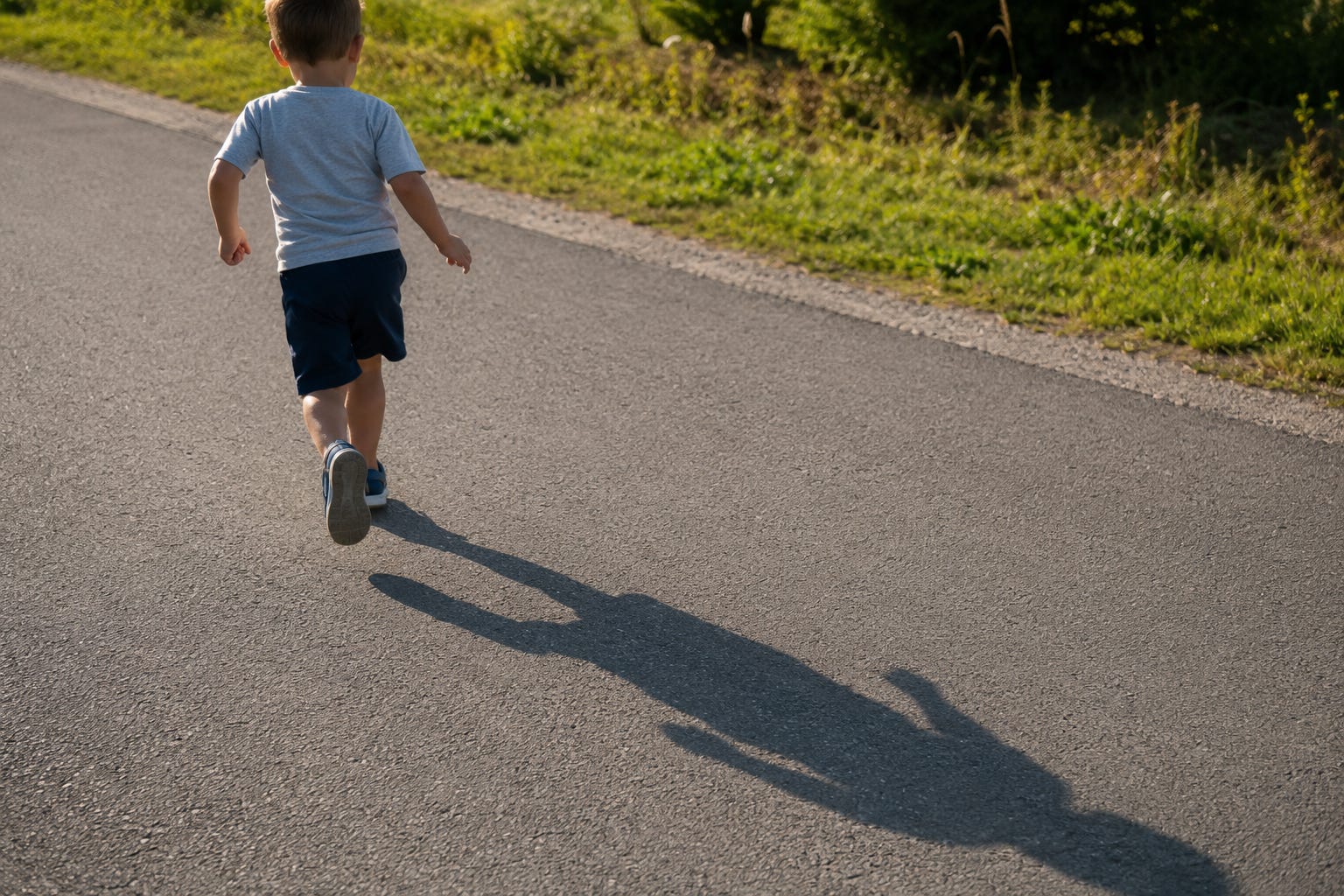
Have you ever walked outside on a sunny day and noticed a dark shape moving along with you? No matter where you go, it seems to follow you. If you jump, it jumps. If you wave, it waves. That mysterious shape is called a shadow!
Shadows are all around us, yet many people don’t stop to think about how they are formed. They may look simple, but shadows can teach us a lot about light, science, and the world around us.
What Is a Shadow?
A shadow is a dark area that forms when an object blocks light. Light travels in straight lines from a source, such as the Sun, a lamp, or a flashlight. When an object gets in the path of that light, some of the light is blocked, creating a dark shape behind the object. This dark shape is called a shadow.
Every day, countless shadows are created by people, animals, buildings, trees, and many other objects.
How Are Shadows Formed?
Three things are needed to create a shadow:
1. A Light Source
A shadow cannot exist without light. The light source may be:
The Sun, A flashlight, A lamp, A candle,A streetlight
2. An Object
The object blocks the light. The object can be anything from a person to a toy, a tree, or even a tiny insect.
3. A Surface
The shadow needs a surface on which to appear. This could be:
The ground, A wall, A sidewalk, A piece of paper, A screen
When these three elements come together, a shadow is formed.
Why Are Shadows Dark?
Shadows appear dark because less light reaches that area. The object blocks the light, preventing it from illuminating the surface behind it.
The darker the shadow, the more light is being blocked.
Why Do Shadows Change During the Day?
Have you ever noticed that your shadow is not always the same size?
This happens because the Sun moves across the sky as the Earth rotates.
Morning
When the Sun is low in the sky, shadows become very long. Your shadow may even be several times taller than you are.
Midday
Around noon, the Sun is high overhead. Because the sunlight shines almost directly downward, shadows become much shorter.
Evening
As the Sun begins to set, it moves lower in the sky again. This causes shadows to stretch out and become long once more.
This is why your shadow changes shape and size throughout the day.
Why Do Shadows Move?
Shadows move because the position of the light source changes.
As the Sun travels across the sky, the angle of sunlight changes. This causes shadows to shift from one direction to another.
You can observe this by watching the shadow of a tree or flagpole throughout the day.
Do All Objects Create Shadows?
Almost every object creates a shadow, but the type of shadow depends on how much light the object allows through.
Opaque Objects
Opaque objects block all light.
Examples:
Books, Walls, Trees, People
These objects create dark, clear shadows.
Translucent Objects
Translucent objects allow some light to pass through.
Examples:
Frosted glass, Wax paper
These objects create lighter, blurrier shadows.
Transparent Objects
Transparent objects allow most light to pass through.
Examples:
Clear glass, Clean water
These objects create very faint shadows or none at all.
Can Shadows Have Different Shapes?
Yes! Shadows usually take on the shape of the object creating them.
A bicycle creates a bicycle-shaped shadow. A cat creates a cat-shaped shadow. However, the shadow may appear stretched, squashed, or distorted depending on the angle of the light.
This is why your shadow can sometimes look much taller or wider than you really are.
Colored Shadows: Are They Possible?
Most shadows appear black or gray, but under special conditions, colored shadows can be created.
Scientists and artists can use multiple colored lights shining from different directions to produce shadows that appear red, blue, green, or other colors.
These colorful shadows are a fascinating example of how light behaves.
Shadows and Eclipses
Shadows play an important role in some of the most exciting events in the sky.
Solar Eclipse
A solar eclipse occurs when the Moon moves between the Earth and the Sun. The Moon blocks the Sun’s light and casts a shadow on Earth.
People standing inside that shadow can see the Sun partially or completely covered.
Lunar Eclipse
A lunar eclipse occurs when Earth moves between the Sun and the Moon. Earth’s shadow falls on the Moon, causing it to darken.
These eclipses are giant examples of shadows at work in space.
Shadow Puppets: Turning Shadows into Art
People have used shadows for entertainment for thousands of years.
Shadow puppetry involves placing hands or cut-out figures in front of a light source to create shapes on a wall or screen. These shapes can be used to tell stories and create performances.
Even today, shadow puppets remain a fun activity for children and adults alike.
Shadows may seem like simple dark shapes, but they are actually the result of light, objects, and science working together. They change throughout the day, come in different shapes and sizes, and even help create incredible events like eclipses.
The next time you see your shadow following you, take a closer look. You might discover that this everyday phenomenon is more amazing than you ever imagined!