

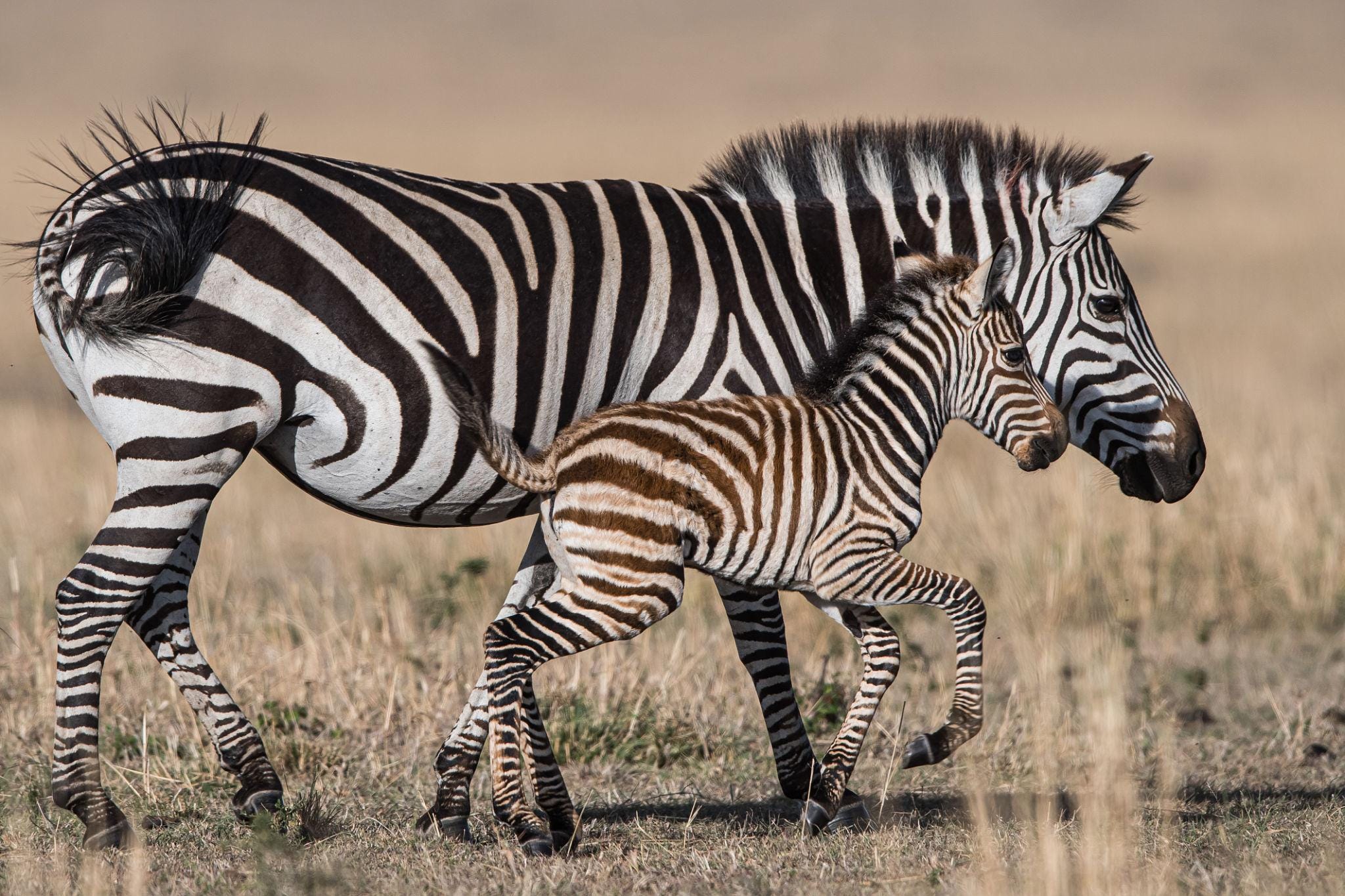
Zebras are among the most recognizable animals on Earth. With their beautiful black-and-white stripes, they stand out wherever they go. These fascinating mammals roam the grasslands and savannas of Africa, living in large family groups and traveling great distances in search of food and water. Although zebras look similar to horses, they are completely wild animals that have never been successfully domesticated.
Scientists have studied zebras for centuries because of their unique appearance, social behavior, and important role in nature. From their incredible speed to their one-of-a-kind stripe patterns, zebras are truly one of the world’s most extraordinary animals.
A zebra is a wild mammal that belongs to the horse family, known as Equidae. Horses, donkeys, and zebras all share a common ancestor, but zebras have evolved to survive in Africa’s harsh environments.
Unlike horses, zebras have never been domesticated because they are highly alert, strong, and unpredictable. Their wild instincts help them survive attacks from dangerous predators like lions and hyenas.
The zebra’s most famous feature is its striking black-and-white striped coat. Scientists now know that zebras actually have black skin beneath their fur, and the white stripes form because certain hair cells do not produce pigment.
Why Do Zebras Have Stripes?
Scientists believe the stripes provide several important advantages.
Protection from Predators
When many zebras run together, their moving stripes create an optical illusion that makes it difficult for predators to focus on a single animal.
Protection from Insects
Research suggests biting flies, such as tsetse flies and horseflies, are less likely to land on striped surfaces.
Recognition
Each zebra’s stripe pattern is unique, allowing mothers and foals to recognize each other.
Temperature Control
Some scientists believe black and white stripes warm and cool at different rates, creating tiny air currents that may help keep zebras cooler.
Living in Herds
Zebras are highly social animals.
Most herds contain:
One stallion (adult male)
Several mares (adult females)
Their young foals
Sometimes hundreds of zebras gather into enormous herds during migration.
Living together provides many benefits.
Better protection
Easier predator detection
Social learning
Strong family bonds
Zebras Run..
A zebra can reach speeds of up to 65 km/h (40 mph).
Besides speed, zebras are very agile.
They:
Zigzag while running
Change direction suddenly
Jump obstacles
Swim across rivers
Their stamina allows them to outrun many predators.
Amazing Zebra Facts
Every zebra has a unique stripe pattern, much like a human fingerprint.
Zebras have excellent eyesight and hearing.
A group of zebras is called a dazzle.
Zebras can sleep standing up, though they lie down for deeper sleep.
They use dust baths to keep their skin healthy and remove parasites.
Zebras often travel with wildebeests and antelopes, benefiting from each other’s sharp senses.
Their ears can turn almost in any direction to detect sounds.
Foals learn to recognize their mother’s stripe pattern within a few days of birth.
Zebras are far more than beautiful striped animals. They are intelligent, social, and perfectly adapted to life in the wild. Their speed, teamwork, and unique stripes help them survive in some of the toughest environments on Earth. They also play a vital role in maintaining healthy African grasslands.
By protecting zebras and their habitats, we also protect countless other plants and animals that depend on the same ecosystems. The next time you see a zebra, remember that every stripe tells a unique story of survival, adaptation, and the incredible diversity of life on our planet.